1. Community overview
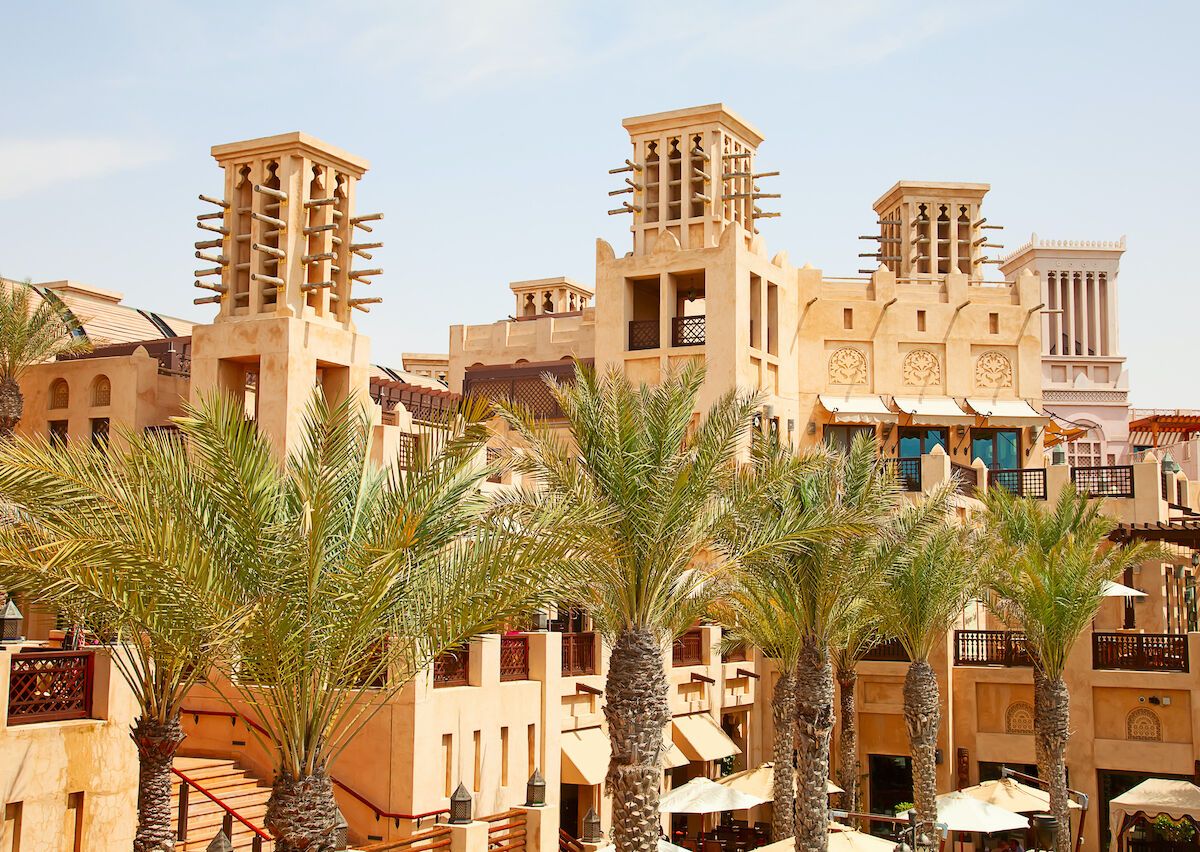
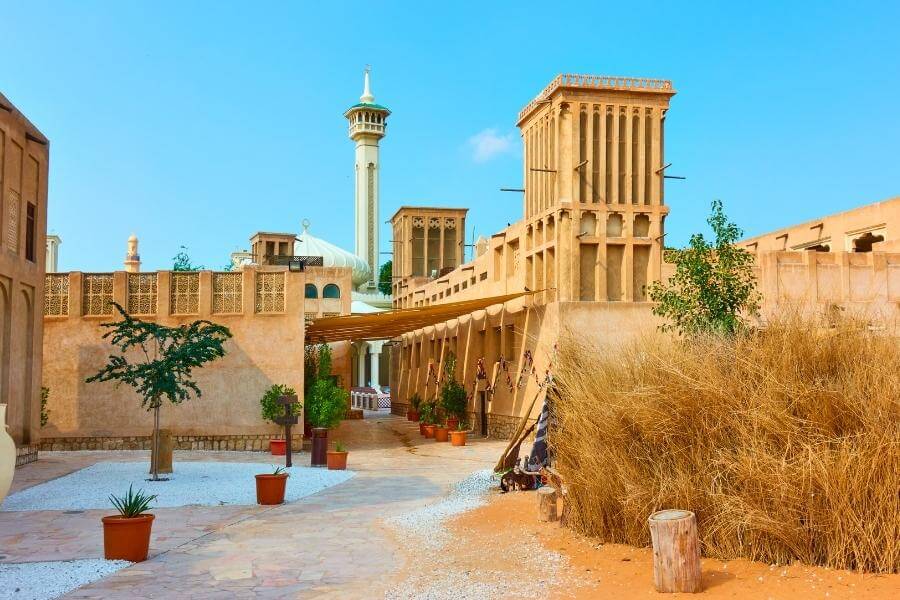
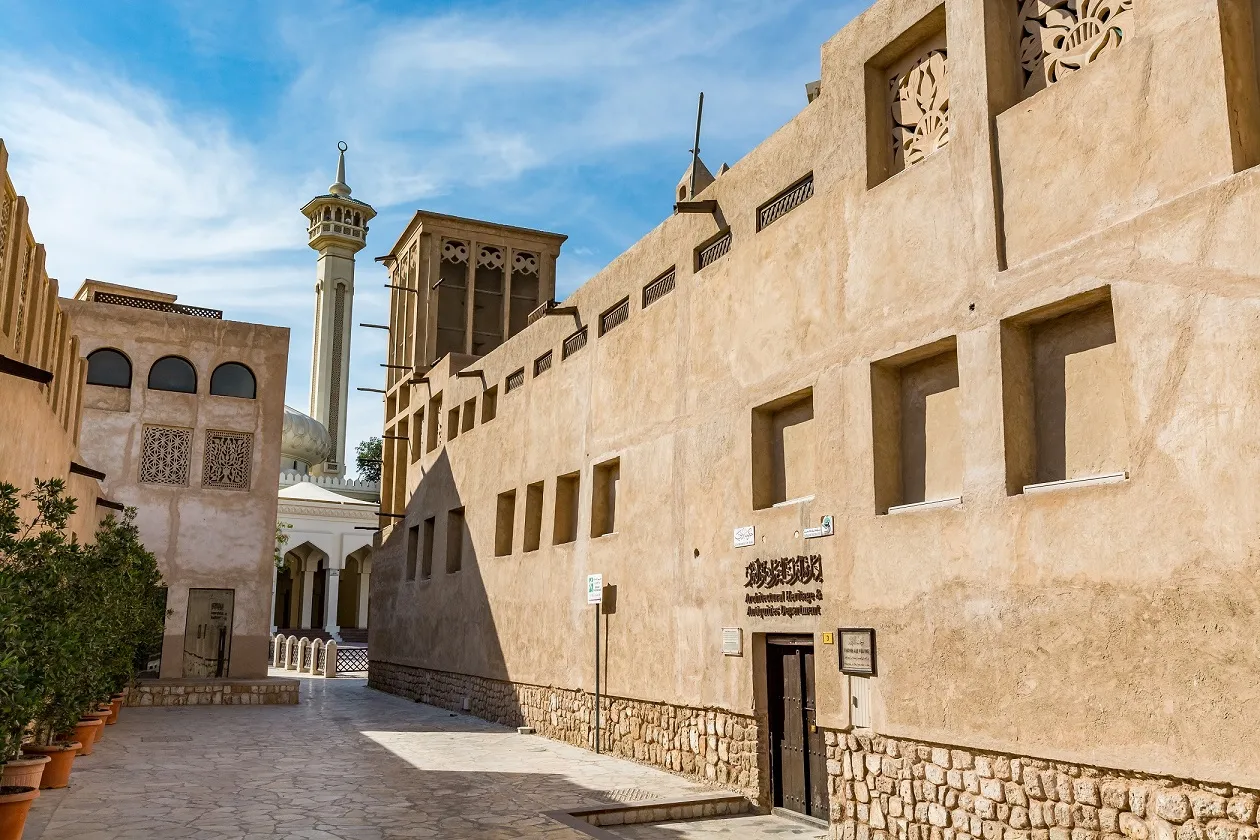
Al Fahidi, also known as the Al Fahidi Historical Neighbourhood or Al Bastakiya, is one of Dubai’s oldest and most culturally significant districts. Dating back to the late 19th century, the area preserves the city’s traditional Emirati architecture, narrow sikkas, and iconic wind-tower houses. Located along Dubai Creek in Bur Dubai, Al Fahidi offers a unique contrast to the city’s modern skyline and attracts residents, creatives, and visitors seeking heritage, art, and history.
2. Lifestyle & amenities
Shopping, dining & nightlife
Shopping in Al Fahidi focuses on boutique stores, art spaces, cultural centres, and traditional markets rather than large malls. Nearby Meena Bazaar and Bur Dubai souks provide access to textiles, spices, gold, and local goods. Dining options include heritage cafés, Emirati restaurants, and independent eateries. Nightlife is minimal, with the area favouring quiet evenings, cultural events, and courtyard gatherings.
Outdoor & recreation
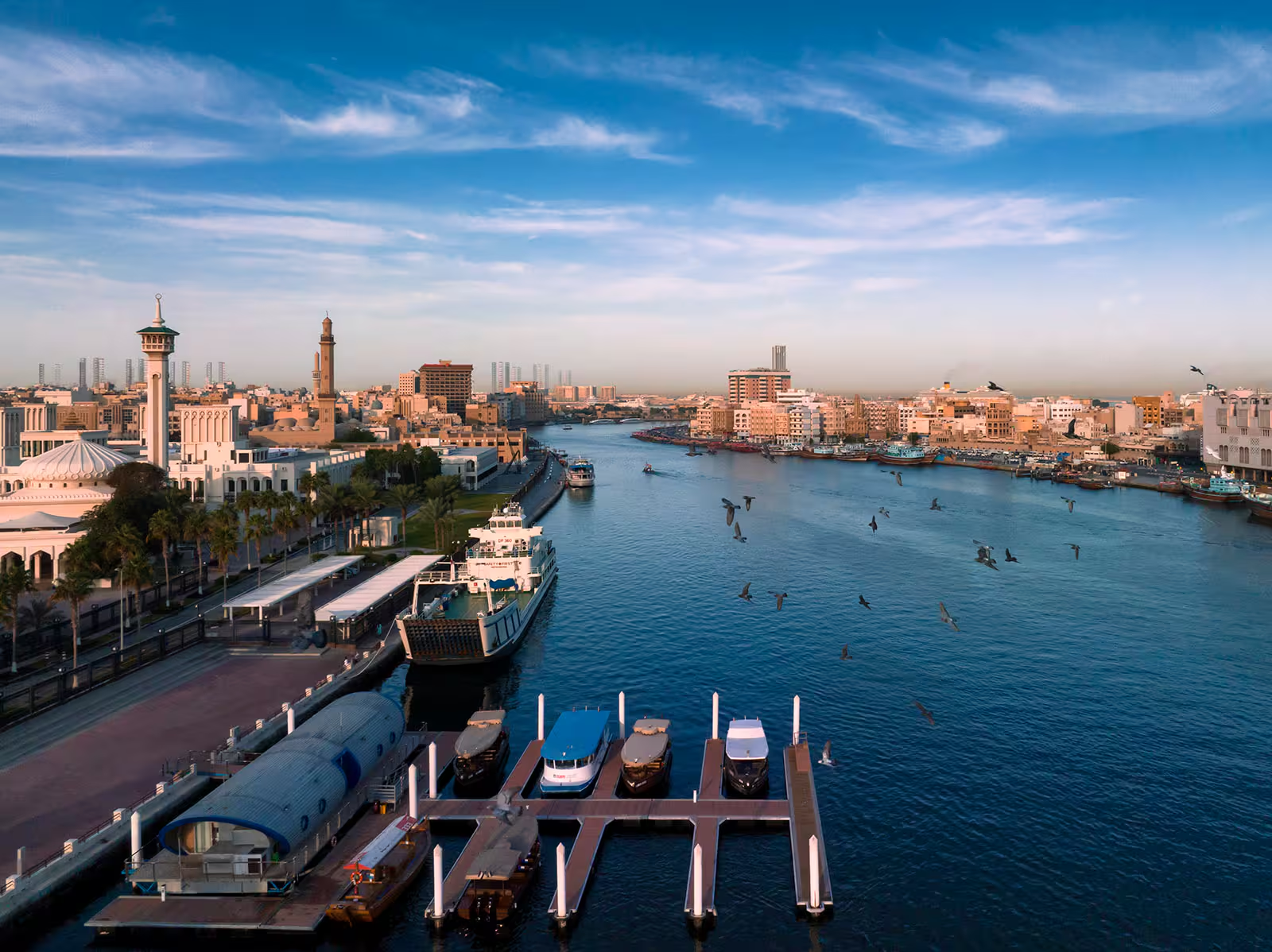
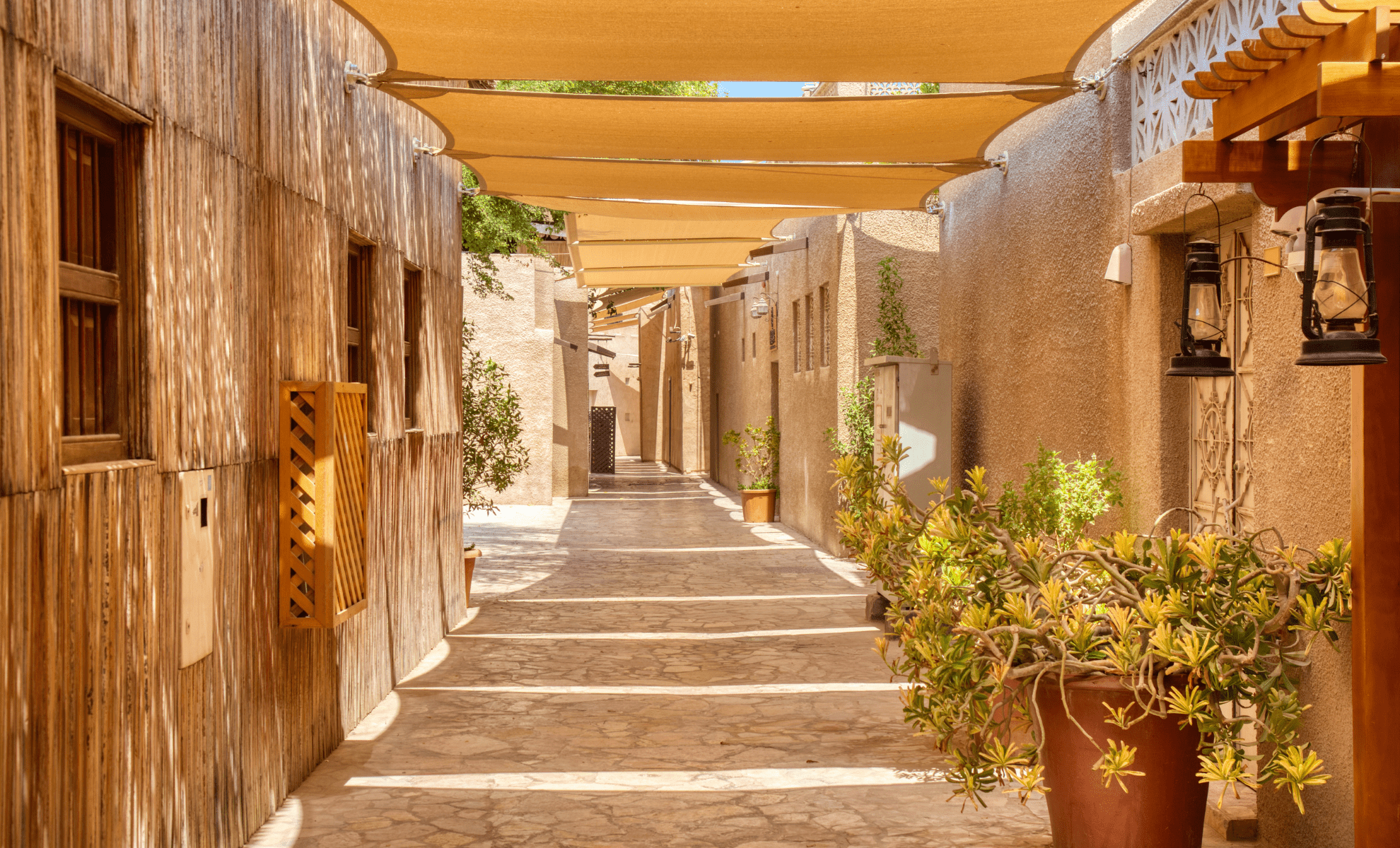
The neighbourhood is highly walkable, with shaded lanes and restored courtyards designed for pedestrian exploration. Proximity to Dubai Creek allows for scenic walks, abra rides, and waterfront experiences. Art exhibitions, cultural festivals, and open-air events regularly take place within the district.
Transport & connectivity
Al Fahidi is well connected via Al Fahidi Metro Station on the Green Line, as well as major roads linking to Deira, Downtown Dubai, and Sheikh Zayed Road. Water transport via abras across Dubai Creek adds both practicality and charm, connecting residents to Deira in minutes.
3. Schools, healthcare & everyday living
While Al Fahidi itself is more cultural than residential-heavy, surrounding Bur Dubai areas provide access to schools, clinics, pharmacies, supermarkets, and essential services. The district is best suited to residents who value proximity to amenities rather than having them directly within the community. Healthcare facilities and educational institutions are easily reachable within a short drive.
4. Property market & housing types
Housing typologies
Residential options are limited and highly specialised, consisting mainly of restored heritage homes, courtyard houses, and low-rise traditional buildings. Many properties are repurposed for cultural, hospitality, or creative uses rather than conventional long-term residential living.
Investment / rental appeal
Al Fahidi appeals more to niche investors than mass-market buyers. Demand is driven by boutique hospitality, museums, art galleries, cafés, and cultural institutions. Short-term and experiential stays perform better than traditional rentals, particularly those targeting tourists and culture-focused visitors.
5. Things to consider / potential drawbacks
- Very limited residential inventory
- Not suited for modern high-rise or luxury living preferences
- Minimal nightlife and entertainment infrastructure
- Heritage preservation rules restrict renovations and redevelopment
- Less convenient for families seeking large homes or school-centric living
6. Why choose Al Fahidi?
Al Fahidi is ideal for those drawn to culture, history, and authenticity rather than modern luxury. It offers a rare opportunity to live or invest within one of Dubai’s most preserved heritage districts, surrounded by art, tradition, and the rhythm of old Dubai. For creatives, cultural enthusiasts, and niche investors, Al Fahidi provides character, identity, and timeless appeal that cannot be replicated elsewhere in the city.